
Call us now :08071931804
 Send Inquiry
 Send Inquiry
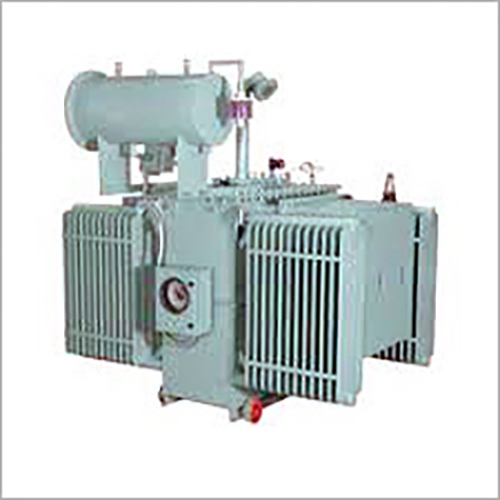
3 Phase Power Distribution Transformer
Price 450000.00 INR/ Piece
MOQ : 1 Piece
3 Phase Power Distribution Transformer Specification
- Rated Voltage
- 11 kV / 0.415 kV
- Low Voltage
- 415 V
- Dimension (L*W*H)
- 2100 mm x 900 mm x 1700 mm (for typical 1000 kVA)
- Cooling Type
- ONAN (Oil Natural Air Natural)
- Operating Temperature
- -25C to +60C
- Capacity
- 200 kVA to 2500 kVA
- Coil Material
- High Conductivity Copper
- High Voltage
- 11000 V
- Load Loss
- 2.7 kW (for 1000 kVA at full load)
- Voltage Booster Type
- Off Circuit Tap Changer (OCTC)
- Product Type
- Power Distribution Transformer
- Material
- Cold Rolled Grain Oriented (CRGO) Silicon Steel Core and High-Quality Copper Winding
- Output
- 11 kV / 0.415 kV
- Frequency (MHz)
- 50 Hz
- Efficiency
- 98.5% (at full load)
- Phase
- Three Phase
- Usage
- Power Distribution in Industrial and Commercial Areas
- Coil Structure
- Laminated Core
- Coil Number
- Two Windings (Primary and Secondary)
- Power Scope
- Up to 2500 kVA
- Weight
- 1800 kg (Approx. for 1000 kVA unit)
- Tapping Range
- +/- 5% in 2.5% steps
- Noise Level
- < 55 dB at 1 meter distance
- Accessories
- Off Circuit Tap Changer, Oil Level Gauge, Pressure Relief Device, Buchholz Relay, Thermometer Pocket
- Enclosure
- Hermetically Sealed / Conventional Type
- Core Type
- CRGO (Cold Rolled Grain Oriented) Silicon Steel
- Breather Type
- Silica Gel
- Mounting Type
- Pole Mounted / Pad Mounted / Outdoor
- No Load Loss
- Low as per standards (example: 1400 W for 1000 kVA unit)
- Shock Proof
- Yes
- Impedance
- As per rating, usually 4% to 6%
- Ambient Humidity
- <= 95% RH (Non-condensing)
- Dielectric Strength
- >60 kV (oil)
- Tank Type
- Corrugated / Conventional
- Paint Type
- Epoxy / PU Painted for corrosion resistance
- Winding Material
- Copper/Aluminum as per requirement
- Service Life
- 25 Years (approximate)
- Protection
- HT Fuse/Lightning Arrester/Temperature Indicator
- Standards
- IS 1180 / IEC 60076 compliant
- Insulation Class
- Class F/H
3 Phase Power Distribution Transformer Trade Information
- Minimum Order Quantity
- 1 Piece
- Supply Ability
- 100 Pieces, Piece Per Month
- Delivery Time
- 100 Months
About 3 Phase Power Distribution Transformer
Widely demanded for the electrical power distribution applications, our offered 3 Phase Power Distribution Transformer is advanced electrical equipment. It is designed for the three-phase electrical power lines. The transformer is robust and does not degrade in quality or performance in the long run due to consistent use. Utilizing the best grade electrical parts and components, this transformer is assembled, for which, it performs exceptionally good. Moreover, owing to its rugged construction, 3 Phase Power Distribution Transformer can withstand tough environmental conditions.
Client dealing in 5 & above kilowatt Servo Voltage Stabilizer
Rugged Construction and Advanced Protection
Engineered with hermetically sealed or conventional enclosures, these transformers come with comprehensive protection including HT fuses, lightning arresters, and temperature indicators. Epoxy or PU paint and corrugated tank designs provide robust corrosion resistance, ensuring reliability in harsh outdoor conditions.
Precision, Efficiency, and Compliant Design
Every unit meets the stringent requirements of IS 1180 and IEC 60076 standards, delivering low no-load losses (e.g., 1400 W for 1000 kVA) and full-load losses of just 2.7 kW, with an impedance of 4% to 6%. High dielectric strength oil (>60 kV) and silica gel breathers support operational safety and performance stability.
Tailored for Diverse Power Distribution Needs
With mounting options (pole/pad) and wide power scope up to 2500 kVA, these transformers are perfect for both industrial complexes and commercial districts in India. The inclusion of features like off-circuit tap changers and advanced accessories ensures customizability and straightforward integration into existing power systems.
FAQs of 3 Phase Power Distribution Transformer:
Q: How does the 3 Phase Power Distribution Transformer ensure operational safety in outdoor environments?
A: The transformer is designed with hermetically sealed or conventional enclosures, advanced protection devices such as HT fuses, lightning arresters, pressure relief devices, and a silica gel breather. These features, along with epoxy or PU paint for corrosion resistance, ensure reliable and safe operation in demanding outdoor settings.Q: What standards and regulations do these transformers comply with?
A: Our transformers strictly adhere to IS 1180 and IEC 60076 international standards, meeting all essential safety, performance, and quality requirements necessary for industrial and commercial power distribution networks.Q: Where are these transformers commonly used?
A: These transformers are ideal for industrial and commercial applications, and are widely used in factories, office complexes, distribution substations, and both urban and rural utility infrastructure across India.Q: What benefits do copper and aluminum winding materials offer?
A: Copper windings deliver superior conductivity and thermal performance, ideal for high-efficiency applications, while aluminum windings offer cost-effectiveness and lighter weight. Both options are available to suit specific project requirements and budgets.Q: What is the typical process for installing these transformers?
A: Installation involves selecting either pole or pad mounting based on site needs, securing the transformer with robust supports, connecting the high and low voltage terminals, and configuring the off-circuit tap changer and protection devices. Commissioning includes thorough testing of insulation strength and functionality of accessories.Q: How do users benefit from the available tapping range and accessories?
A: The transformers feature an off-circuit tap changer with a 5% range in 2.5% steps, allowing operators to fine-tune output voltage to match specific load requirements. Accessories like oil level gauges, Buchholz relay, and thermometer pockets enhance monitoring and ease of maintenance, resulting in improved system uptime.Q: When is it recommended to select a pad-mounted versus a pole-mounted transformer?
A: Pad-mounted transformers are best suited for ground-level installations with higher capacity needs or limited pole infrastructure, while pole-mounted versions are optimal for overhead distribution lines in areas with space constraints or when ground footprint must be minimized.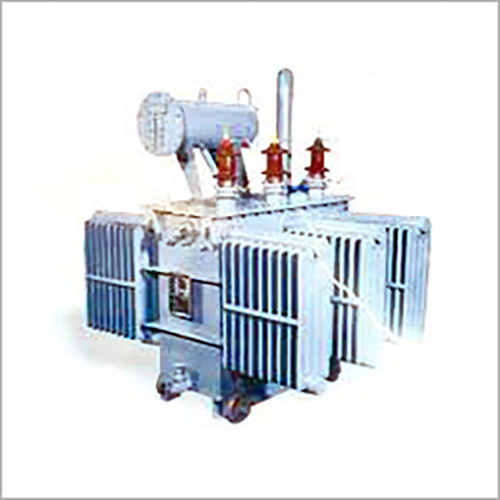
Tell us about your requirement

Price:
Quantity
Select Unit
- 50
- 100
- 200
- 250
- 500
- 1000+
Additional detail
Mobile number
Email

More Products in Distribution Transformer Category
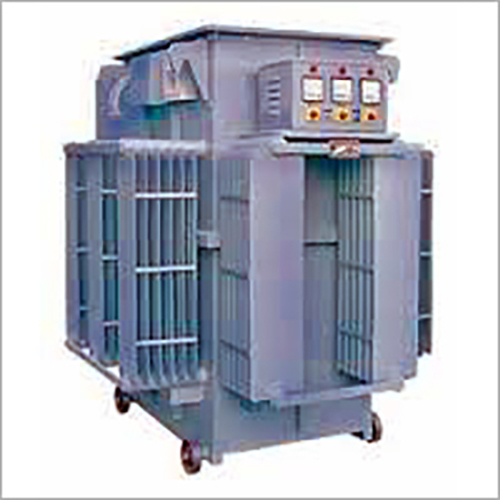
Power Distribution Transformer
Price 450000.00 INR / Piece
Minimum Order Quantity : 1 Piece
Product Type : Other, Power Distribution Transformer
Phase : Three Phase
Coil Material : Other , High Grade Copper
Coil Structure : Toroidal
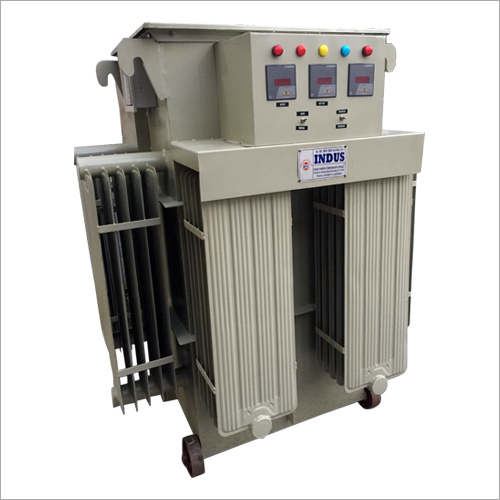
Distribution Transformer
Price 450000.00 INR / Piece
Minimum Order Quantity : 1 Piece
Product Type : Other, Distribution Transformer
Phase : Three Phase
Coil Material : Other , Copper/Aluminum
Coil Structure : Other, Layer Wound/Spiral Wound
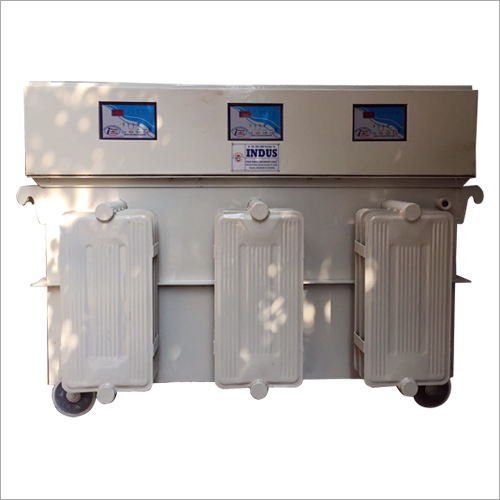
Oil Cooled Distribution Transformer
Price 450000.00 INR / Piece
Minimum Order Quantity : 1 Piece
Product Type : Oil Immersed
Phase : Three Phase
Coil Material : Copper Core
Coil Structure : Copper
Power Transformer
Price 450000.00 INR / Piece
Minimum Order Quantity : 1 Piece
Product Type : Oil Immersed
Phase : Three Phase
Coil Material : Copper Core
Coil Structure : Copper

We deal with Servo Voltage Stabilizers of 5 kilowatts and above.

 Send Inquiry
Our Products


F-18, Sector A-3, Tronica City, Industrial Area, Loni,Ghaziabad - 201102, Uttar Pradesh, India

Mr. Azad
(Partner)
Mobile :08071931804
 Send Inquiry
 Send SMS
Developed and Managed by Infocom Network Private Limited.
